
How Guernsey Island Settlers Founded Guernsey County, Ohio
Sarchet, Lepage, Ogier, Bichard, Naftel, Marquand, Langlois, Corbet, Torode, Poidevin, Ferbrache or DeLaRue — if any of these surnames sound familiar, you could be a “Guernseyite.” Your ancestors likely trace back to the island of Guernsey in the English Channel, part of Britain, back in the early 1800s.
The first wave of Guernsey settlers set sail in 1806, landing in Baltimore before heading west by wagon. When the road crossed Wills Creek, just east of what was then a small town called Cambridge, Ohio, they decided to stop rather than continue on as planned. They bought land and named their new home Guernsey County — making it almost as old as the United States itself. The county was officially formed on March 10, 1810.
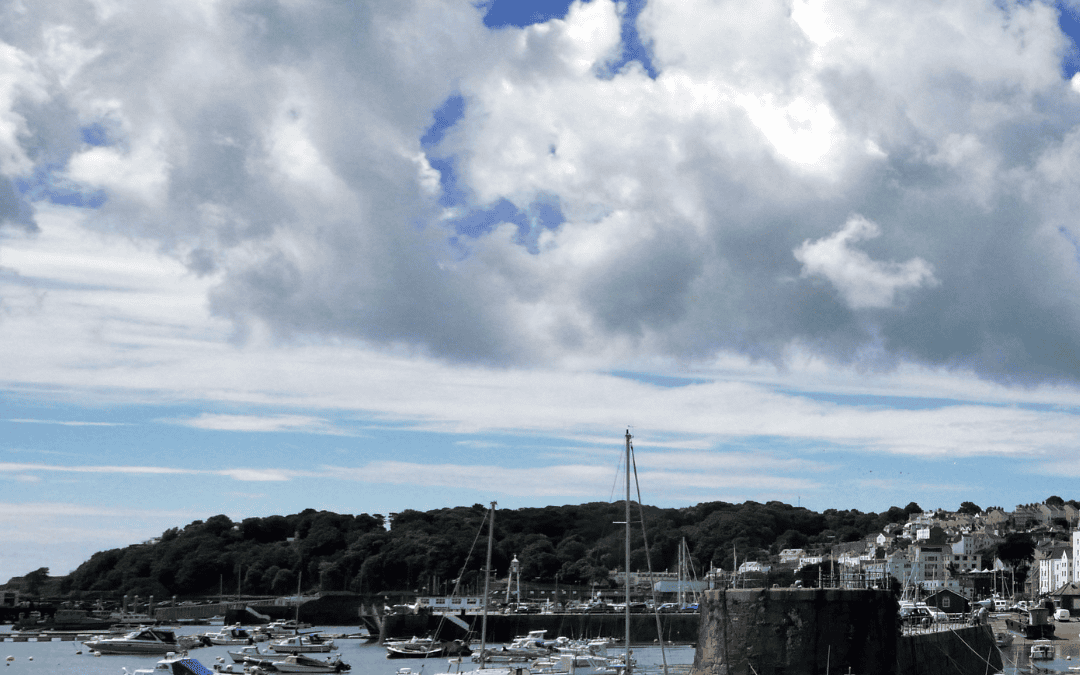
Thousands of miles from Guernsey County lies the real island of Guernsey, in the English Channel closer to the shores of Normandy, France. Though nearer to France, it remains a British Crown Dependency. The island offers scenic countryside, sandy beach coves, charming coastal towns and villages, and the car-free outer islands of Sark and Herm — the envy of anyone lucky enough to call them home.
The English Channel Islands were occupied by German forces during WWII. Winston Churchill, believing the islands held no significant strategic value, demilitarized them in 1940. The Germans invaded later that year, building concrete gun emplacements and underground tunnels in preparation for a British invasion that never came. The islands became a favored getaway for German soldiers and officers stationed there — even as island residents carried out quiet acts of resistance, and many were deported to Europe for forced labor, with tragic losses.
Today, visitors can explore some of these wartime defenses, including the German underground hospital, keeping this chapter of history alive. The English Channel Islands are the place to visit in 2027.
